











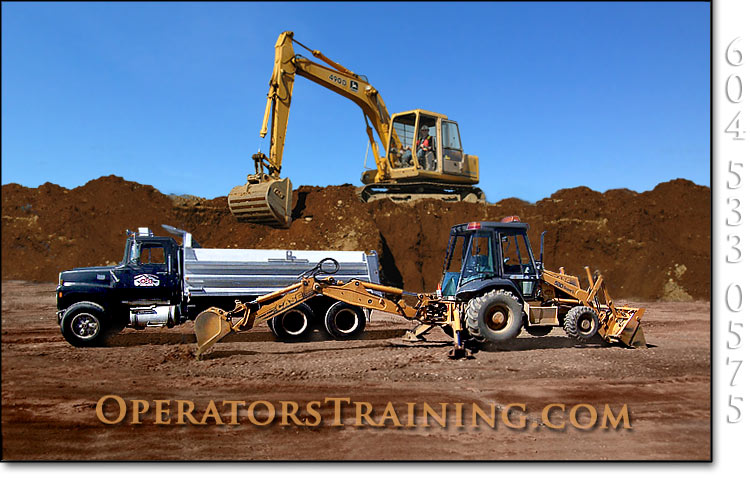
Career Spotlight: Heavy Equipment Operators
Heavy equipment operators play a vital role in construction, infrastructure development, mining, roadwork, and public-sector projects. Even during economic downturns, the demand for skilled operators remains strong. Construction continues to be one of the largest service industries in the United States, and major cities regularly invest in multi?year highway, bridge, and utility upgrades.
Because of this steady demand, becoming a certified heavy equipment operator can open the door to reliable, long-term employment with competitive pay and opportunities for advancement.
Career Tip: If you’re exploring heavy equipment careers or comparing salary ranges, Career.io offers tools to help you evaluate job paths, training requirements, and earning potential.
Why Heavy Equipment Operators Are in Demand
Construction projects never truly stop. Road crews perform ongoing maintenance, state and local governments rely on operators for clearing, grading, excavation, and infrastructure work, and private companies hire operators for commercial and residential development. With billions invested annually in public works, skilled operators remain essential.
Government agencies and private contractors require trained professionals who can safely and efficiently operate machinery such as bulldozers, excavators, loaders, graders, and backhoes. Certification and formal training help applicants stand out in a competitive field.
Safety First: Heavy equipment operators rely on durable, protective footwear. Hytest offers waterproof, insulated, and slip-resistant work boots designed for demanding job sites.
Workwear Essentials: For rugged apparel and gear from trusted brands like Carhartt and Patagonia, explore Getzs. Quality workwear is a must for operators working in all weather conditions.
Training That Employers Respect
Heavy equipment operators can train through accredited programs that combine classroom learning with hands-on experience. Many schools offer blended training: online coursework followed by on-site instruction using real machinery.
Accredited programs teach:
- Equipment operation and controls
- Safety procedures and OSHA standards
- Soil, grading, and excavation techniques
- Maintenance and inspection routines
- Job-site communication and teamwork
Heavy Equipment Operator Schools & Certification
Training programs across the country prepare students for entry-level operator roles. Many offer job placement assistance, certification testing, and hands-on practice with multiple types of machinery.
Find Training Programs: Use Choose Your Education to explore accredited heavy equipment operator schools, compare programs, and request information from training providers.
Salary Expectations After Certification
Certified heavy equipment operators typically earn:
- $22–$30 per hour for entry-level roles
- $50,000–$70,000 per year with experience
- $75,000+ annually for specialized operators (cranes, large excavators, mining equipment)
Union positions, government roles, and large construction firms often offer higher wages, overtime opportunities, and strong benefits packages.
Stand Out: Once you complete training, a polished resume helps you secure interviews with contractors and government agencies. TopResume can help you present your certification and hands-on experience professionally.
Building a Long-Term Career
Heavy equipment operation offers stability, strong earning potential, and opportunities for advancement into roles such as site supervisor, foreman, or project manager. With ongoing construction growth nationwide, certified operators remain in high demand.
With the right combination of training, safety awareness, and hands-on experience, you can build a rewarding career in one of America’s most essential industries.




One thought on “Heavy Equipment Operators – Steady Employment After Training”